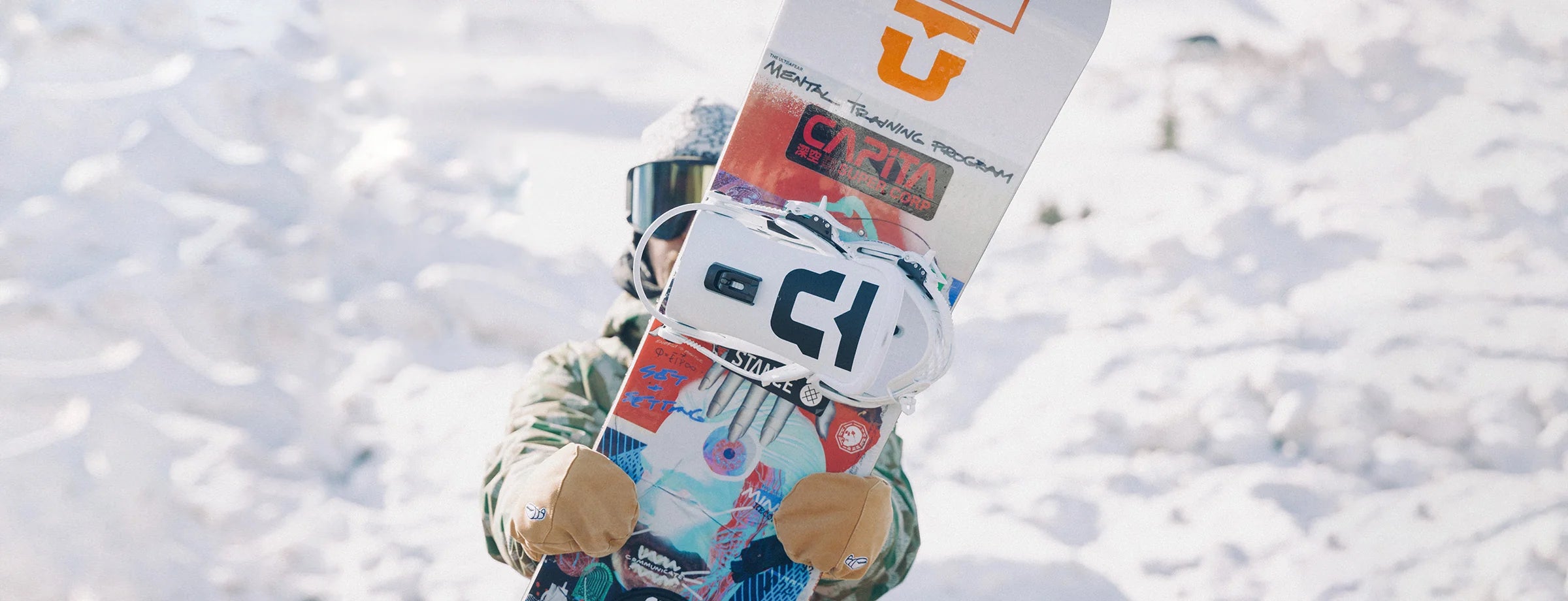


Snowboarding isn’t just a sport; it’s a lifestyle, a culture, and for many of us in Ontario, a winter escape. But when was snowboarding invented? That’s a question we hear a lot, especially from newcomers walking through the doors of our shop, Switch Skate and Snow, right here in Ajax.
We thought it was time to finally break down the history of snowboarding in a way that’s actually interesting, without making it sound like a boring high school textbook. And yeah, we’ll even talk about how the sport transformed from backyard experiments into an Olympic-level obsession, plus how we’ve kept up with that evolution here in Canada.
Let’s strap in and ride through time together.
Follow us on Instagram to find exclusive deals.
Switch Skate & Snow:
161 HARWOOD AVE N UNIT #6, AJAX, ONTARIO, L1Z0A1
The Origins: When Was Snowboarding Invented?

The story of snowboarding officially kicks off in 1965, when a Michigan man named Sherman Poppen fastened two skis together to help his daughter "surf the snow." That simple invention became known as the "Snurfer"—a mashup of snow and surfer.
Poppen’s homemade toy took off, and by 1966, over 500,000 Snurfers had been sold. Crazy, right?
What Made the Snurfer So Special?
-
It had no bindings.
-
Riders steered using a rope attached to the front.
-
It was more like surfing or skateboarding than skiing.
So while the idea of gliding on snow had been around for centuries in various forms (from Norwegian skis to wooden sleds), this was the first time someone actually created a product specifically for riding downhill on snow without poles.
That’s the moment we mark as the birth of snowboarding.
The 1970s: Innovation on Ice
Once the Snurfer hit the scene, it sparked a wave of creativity across the U.S. and eventually in Canada too. The 1970s saw a few key players push the sport forward.
Enter Dimitrije Milovich
In 1972, Milovich, an East Coast surfer, founded Winterstick, creating boards inspired by surfboards but made for snow. His boards featured:
-
A steel edge for better grip
-
Fiberglass construction
-
Slicker designs aimed at deep powder riding
Winterstick never quite went mainstream, but it helped show the world that snowboarding could be more than just a toy.
Jake Burton Carpenter’s Big Leap
In 1977, Jake Burton—a name we now associate with snowboarding royalty—showed up at a Snurfer competition with a custom board that had bindings. Yeah, the first real snowboard.
He faced pushback (people thought he was cheating), but eventually, Burton Snowboards became the brand that helped define and legitimize the sport globally.
Snowboarding in the 1980s: From Rebellion to Recognition
The 1980s is when snowboarding really started carving its identity.
Why Was Snowboarding Controversial?
At this point, most ski resorts in Canada and the U.S. still banned snowboarders. They were seen as reckless, untrained, and, to be blunt—punks.
But as boards got better and snowboarders became more skilled, resorts started coming around. By 1985, only a handful of resorts allowed snowboarding. By 1990, over 500 ski resorts had opened their slopes to riders.
This shift laid the groundwork for snowboard culture to blow up.
Snowboarding Near Me? You Bet.
Here in Durham Region and across Ontario, we saw snowboarding start gaining popularity during this decade. Places like Dagmar, Lakeridge, and Blue Mountain began allowing riders—and the local scene took off.
The Rise of Canadian Snowboarding Culture
If you grew up in Ontario like us, you know winter is serious business. Snowboarding gave us a new way to embrace the cold—and it caught on fast.
Canadian Milestones in Snowboarding
-
Late 1980s: Canadian companies begin manufacturing snowboards.
-
1991: The Canadian Snowboard Federation is formed.
-
2006: Canada wins its first Olympic gold in snowboard cross.
We’ve been here for it all—and we’ve seen snowboard culture evolve into something massive in Ajax and the greater Toronto area.
1998: The Olympic Turning Point
This was the moment snowboarding officially went global.
In Nagano, Japan, snowboarding made its Olympic debut. Two disciplines were included:
-
Giant Slalom
-
Halfpipe
Suddenly, snowboarding wasn’t just a niche subculture anymore. It was a mainstream sport—with global viewership, brand sponsorships, and athletic training to match.
And we’ll be honest: watching Canada’s riders compete on the world stage filled us with pride. It also brought more people through our doors wanting to try snowboarding for the first time.
Modern Snowboarding: From Sport to Subculture
Snowboarding isn’t just about riding anymore—it’s a whole lifestyle.
From urban rail riders to big mountain explorers, today’s snowboarders push boundaries that early riders couldn’t even imagine.
Current Trends in Snowboarding
-
Splitboarding (backcountry riding)
-
Sustainability in gear manufacturing
-
Cross-training with skateboarding
And speaking of gear...
How Gear Has Evolved Since Snowboarding Was Invented
When Sherman Poppen lashed skis together, he had no idea we’d one day have tech-packed snowboards built for every terrain imaginable.
Snowboard Tech Today
-
Carbon fiber cores for flexibility
-
Edge tech for icy conditions
-
Rocker vs. camber profiles
-
Heat-moldable boots and asymmetrical bindings
Whether you’re riding in Whistler or hitting terrain parks in Oshawa, today’s snowboards offer options for every style and skill level.
Why Ontario Is a Snowboarding Hotspot
You might not think of Ontario as a snowboarding destination, but we’re right at the heart of it all.
What Makes Ontario Ideal for Riders?
-
Quick access to multiple ski resorts
-
Community-based snowboarding events
-
Shops like ours (Switch Skate and Snow) that keep the scene alive
We’ve got the gear, we’ve got the passion, and we’ve got the snow (most of the time). What else do you need?
Snowboarding vs. Skateboarding: Same Culture, Different Terrain
One thing we’ve noticed at Switch is how closely linked snowboarding and skateboarding have become over the years.
What They Share:
-
Trick-based progression
-
Individual expression
-
Style-focused riding
-
Tight-knit communities
A lot of local riders skate all summer and snowboard all winter—and we carry gear to support both, whether you’re at Ajax Skatepark or shredding fresh pow at Mount St. Louis Moonstone.
Who Are the Snowboarding Legends?
Let’s give a shout-out to the people who pushed snowboarding to where it is today.
Pioneers & Icons
-
Jake Burton Carpenter – founder of Burton
-
Craig Kelly – the first real snowboard superstar
-
Shaun White – Olympic legend
-
Mark McMorris – Canada’s own freestyle champion
They weren’t just good riders—they changed the way the world saw the sport.
Where Snowboarding Is Headed Next
We’ve come a long way since the Snurfer, but the ride isn’t over.
Emerging Trends:
-
AI-enhanced training for trick analysis
-
Environmentally conscious brands using recycled materials
-
Virtual reality snowboarding for off-season practice
At Switch, we’re always keeping an eye on what’s next. From tech to style, we’re committed to evolving with the sport.
Research-Backed Fact: Snowboarding Burns Up to 450 Calories Per Hour
According to a study published in the Journal of Strength and Conditioning Research, snowboarding is not just fun—it’s a serious workout. You can torch anywhere from 300 to 450 calories per hour, depending on your riding style and intensity. That’s another reason why we love it—it keeps us fit during those long Ontario winters.
Conclusion
So… when was snowboarding invented? It all started in 1965 with a homemade Snurfer, but what really matters is how far we’ve come. From backyard boards to Olympic medals, from being banned on hills to being the stars of them, snowboarding’s journey has been nothing short of incredible.
And here in Ajax and the Durham Region, we’re proud to be part of that ride—whether you’re strapping in for the first time or you’re chasing powder every weekend. Thanks for letting us share this story with you. See you out there.
FAQs
1. When was snowboarding officially recognized as a sport?
Snowboarding gained widespread recognition in the 1980s and was officially added to the Winter Olympics in 1998.
2. What was the first snowboard called?
The first snowboard was called the “Snurfer,” created by Sherman Poppen in 1965.
3. Can I learn snowboarding if I already skateboard?
Absolutely! The balance, foot placement, and trick mindset from skateboarding can give you a solid head start on snow.
4. Where can I buy snowboarding gear near me in Ajax or the Durham Region?
You can check out our store, Switch Skate and Snow, located in Ajax, Ontario. We carry everything from beginner gear to pro-level setups.
5. How did snowboarding evolve from the Snurfer to today’s boards?
Snowboards evolved from basic wooden boards with ropes into high-tech equipment with bindings, edge tech, and various flex profiles tailored to different riding styles.