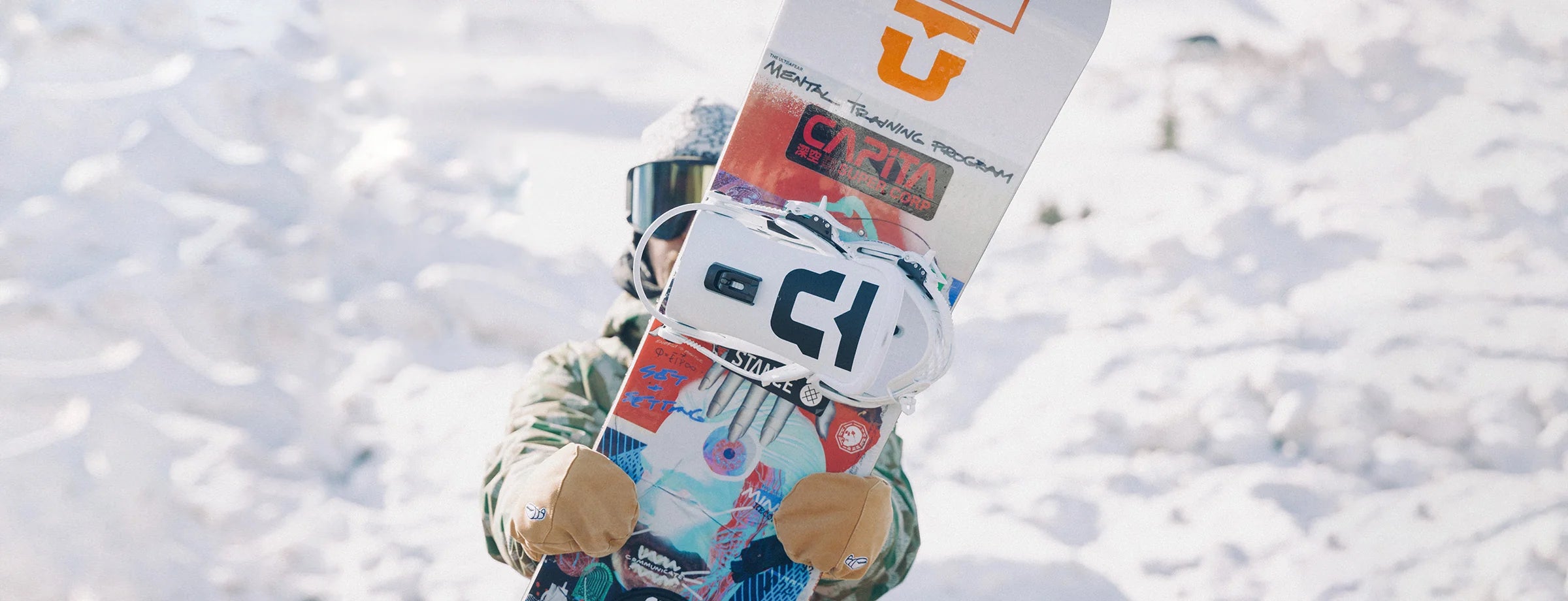


Want to find out what to wear Skiing and snowboarding this Winter? When we first hit the slopes, one of the biggest mistakes we made wasn’t about technique; it was wearing the wrong clothes. Sound familiar? Whether you're heading to Blue Mountain, Mount St. Louis, or staying local in Durham Region, figuring out what to wear skiing and snowboarding can make or break your day. We're not talking about looking good (though hey, that helps); we're talking about staying warm, dry, and comfortable all day long.
At Switch Skate and Snow in Ajax, Ontario, we’ve helped thousands of beginners get started the right way. So, let’s break it down. Here’s your complete, no-fluff guide to dressing for skiing and snowboarding—especially if you’re a beginner trying to navigate gear and snow conditions in the Greater Toronto Area and beyond.
Follow us on Instagram to find exclusive deals.
Switch Skate & Snow:
161 HARWOOD AVE N UNIT #6, AJAX, ONTARIO, L1Z0A1
Why Dressing Right Matters on the Slopes

Imagine standing on a windy mountain with soggy clothes and numb fingers. Not fun, right? Dressing right isn’t just about staying warm—it’s about layering properly so your body temperature stays regulated as you move, sweat, rest, and ride. The key is to balance moisture-wicking, insulation, and protection from wind and snow.
Snowboarding near me, especially in Ontario, means battling fluctuating temperatures, lake-effect snow, and freezing winds. So if you’re wondering what to wear skiing and snowboarding, the answer isn’t just “warm stuff.” It’s about the right warm stuff, layered the right way.
Base Layers: Your Second Skin
We always tell new riders this: your base layer is like your snow-day underwear—it’s the first thing you put on and the last thing you want to get wrong. This layer sits right against your skin and needs to wick moisture away, not trap it.
Materials to Look For:
-
Merino Wool: Naturally anti-odour, breathable, and warm
-
Synthetic (Polyester blends): Durable, fast-drying, budget-friendly
Avoid Cotton at All Costs
Cotton traps moisture. Once it gets wet from sweat or snow, you’ll feel like you’ve dipped yourself in a freezing pond. So skip the cotton long johns and go for something that dries fast.
Pro Tip: Make sure both your top and bottom base layers are snug but not tight. You want comfort, not compression.
Mid Layers: Insulation That Breathes
The mid layer acts as your thermal shield. Think of it like stuffing in a sandwich—it fills the gap and adds flavour (aka warmth).
Fleece vs. Down: Which One Wins?
-
Fleece: Affordable, breathable, doesn’t lose warmth when wet.
-
Down (or synthetic down): Warmer but pricier; synthetic down is better if there’s a risk of moisture.
If you’re riding near the GTA, where temperatures can be unpredictable, fleece is usually a safe bet.
Outer Layers: Your Weatherproof Armour
Your outer layer is your first line of defence against snow, wind, and slushy weather. For snowboarding and skiing in Ontario’s variable weather, we always recommend highly waterproof and breathable shells.
Waterproof Ratings Explained
Look for a waterproof rating of 10,000 mm or higher. Here’s a quick breakdown:
| Waterproof Rating | Condition Suitability |
|---|---|
| 5,000 mm | Light snow, dry conditions |
| 10,000 mm | Moderate snow and rain |
| 15,000 mm+ | Heavy snow, wet conditions |
Breathability Matters Too
High waterproofing without breathability traps sweat and makes you clammy. Look for ventilation zips and breathable fabrics to balance warmth with comfort.
Snowboard and Ski Jackets: What to Choose
When it comes to beginner jackets, less is more—but smart is key. A good ski/snowboard jacket should have:
-
Taped seams
-
Snow skirt (to stop snow from riding up)
-
Helmet-compatible hood
-
Vents under arms
We carry beginner-friendly options at Switch that check all these boxes without breaking the bank. Whether you're renting gear or building your own setup, the jacket is an investment.
Snow Pants: Comfort Meets Function
We’ve seen it too many times—new riders showing up in jeans under a rain poncho. Please, don’t be that person.
Your snow pants should be:
-
Waterproof (10,000 mm+)
-
Insulated or shell-style, depending on your cold tolerance
-
Flexible enough to move, fall, and ride comfortably
Many beginners find bib pants more secure and warmer, especially for snowboarding, where falls happen often.
Socks: Not Your Regular Pair
This might sound minor, but it’s not. Socks can make or break your day.
Why Ski-Specific Socks Matter:
-
They're designed to stay up and support your arches
-
Thin but warm (yes, thicker is not always better!)
-
Made from merino or synthetic blends—never cotton
One pair is enough. Doubling up cuts off circulation and makes your feet colder.
Gloves or Mittens: Which is Better?
This comes down to preference and riding style, but we generally suggest mittens for beginners. They’re warmer and easier to manage when you’re still figuring out how to strap in and handle gear.
Look for:
-
Wrist leashes (so you don’t lose them mid-run)
-
Waterproofing
-
Insulation (check for Thinsulate or Primaloft)
Headwear: Helmets, Beanies, and Balaclavas
Safety first. A helmet is a non-negotiable, even for easy hills. Most are adjustable, warm, and goggle-friendly these days.
Underneath, wear a thin beanie or balaclava, but make sure it doesn’t interfere with the helmet fit. For colder days, we swear by fleece neck warmers or full face balaclavas.
Goggles: Seeing Clearly Through the Storm
Goggles aren’t just a style thing—they’re vital for visibility, especially in snowstorms or cloudy days on Ontario hills.
Lens colours:
-
Yellow or rose lenses for flat light
-
Dark lenses for sunny days
Look for anti-fog coatings, ventilation, and helmet compatibility.
Layering 101: The Formula to Stay Warm and Dry
Let’s simplify:
-
Base Layer – moisture-wicking
-
Mid Layer – insulating
-
Outer Layer – waterproof and windproof
And that’s your winning combo. Adjust based on weather—shed a layer for spring riding, double up when it dips below -20°C.
Dressing Kids and Teens for the Slopes
Kids lose heat faster, so gear matters even more. Layer them the same way as adults—but prioritize ease of movement and waterproof mittens (trust us on this).
Also, make sure their helmets fit snugly and goggles are the right size. Nothing ruins a kid’s snow day faster than cold fingers and fogged lenses.
Durham Region Snow Conditions: Why It Matters What You Wear Near Me
We’re based in Ajax, Ontario, so we know how fast snow conditions can change across the Durham Region. One morning might be powdery bliss, and by afternoon, it’s slushy terrain. The right gear near you isn’t just about style—it’s about adapting to hyper-local weather patterns.
When you’re wondering what to wear skiing and snowboarding in our area, think waterproof layers, moisture control, and adaptability.
Beginner Snowboard Gear Must-Haves
We know picking your first setup is intimidating. Here’s a quick list to keep you on track:
-
Snowboard boots (fit is EVERYTHING)
-
Beginner-friendly snowboard with a softer flex
-
Helmet and goggles
-
Protective base and mid-layers
-
Waterproof outerwear
At Switch, we’ve curated gear that balances performance, safety, and price—perfect for first-timers or occasional riders.
Common Mistakes to Avoid in Snow Gear
We’ve all made rookie mistakes out there, and honestly, that’s part of the fun—but if we can help you skip a few cold, wet lessons, all the better. Here are some of the most common slip-ups we see from beginners who aren’t sure what to wear skiing and snowboarding:
1. Wearing Cotton Layers
We’ve said it before and we’ll say it again—cotton is your enemy. It holds onto moisture like a sponge, and once it's wet, it stays wet. That means a freezing, miserable day on the hill. Opt for moisture-wicking synthetic or merino wool base layers every single time.
2. Not Layering Properly
Some folks wear too many layers and end up sweating buckets, while others underdress and freeze. The key is understanding that layering is strategic. Follow the base → mid → outer rule and adjust based on the temperature.
3. Wearing Improper Socks
Regular socks from your drawer? Nope. Avoid bunching, blisters, and frozen toes by going with a single, snug pair of ski or snowboard-specific socks.
4. Forgetting Face and Neck Protection
Ontario winds can be brutal. If you're boarding near me in places like Dagmar or Lakeridge, you’ll quickly regret forgetting a neck gaiter or balaclava.
5. Renting Bad-Fitting Gear
Your gear should feel like an extension of your body. Loose boots or a stiff board can ruin your experience. At Switch, we help you get the right size and flex for your level. Trust us—fit is everything.
Conclusion
We get it—figuring out what to wear skiing and snowboarding can feel overwhelming. But once you understand the simple layering formula and invest in a few key pieces, your experience on the mountain gets a whole lot better. Whether you're hitting the slopes in Durham Region or travelling across Ontario, being dressed right means staying out longer, riding safer, and having more fun.
So take it from us at Switch Skate and Snow—start with the right gear, layer smart, and let the snow do the rest.
FAQs
1. Can I wear regular winter clothes for snowboarding or skiing?
Not really. Regular coats and pants aren’t built for the kind of waterproofing, breathability, and flexibility you need on the slopes. You’ll end up cold, wet, and uncomfortable.
2. How many layers should I wear skiing or snowboarding?
Three layers usually do the trick: a base layer (for moisture-wicking), a mid layer (for insulation), and an outer layer (for weather protection). Adjust depending on the weather and your personal comfort.
3. Is there a difference between ski and snowboard clothing?
While many jackets and pants are interchangeable, snowboard gear often offers more flexibility and longer cuts for better coverage during falls and tricks. Beginners can usually wear either, as long as it fits well.
4. What should kids wear when snowboarding or skiing?
The same three-layer system applies to kids, but with extra focus on waterproof mittens, helmets, and a proper base layer. Make sure everything fits snugly and comfortably so they can move easily.
5. Where can I get beginner snowboarding gear near me in Ontario?
Right here at Switch Skate and Snow in Ajax, Ontario! We carry the best beginner-friendly snowboarding gear for all ages, and we serve the entire Durham Region and Greater Toronto Area.