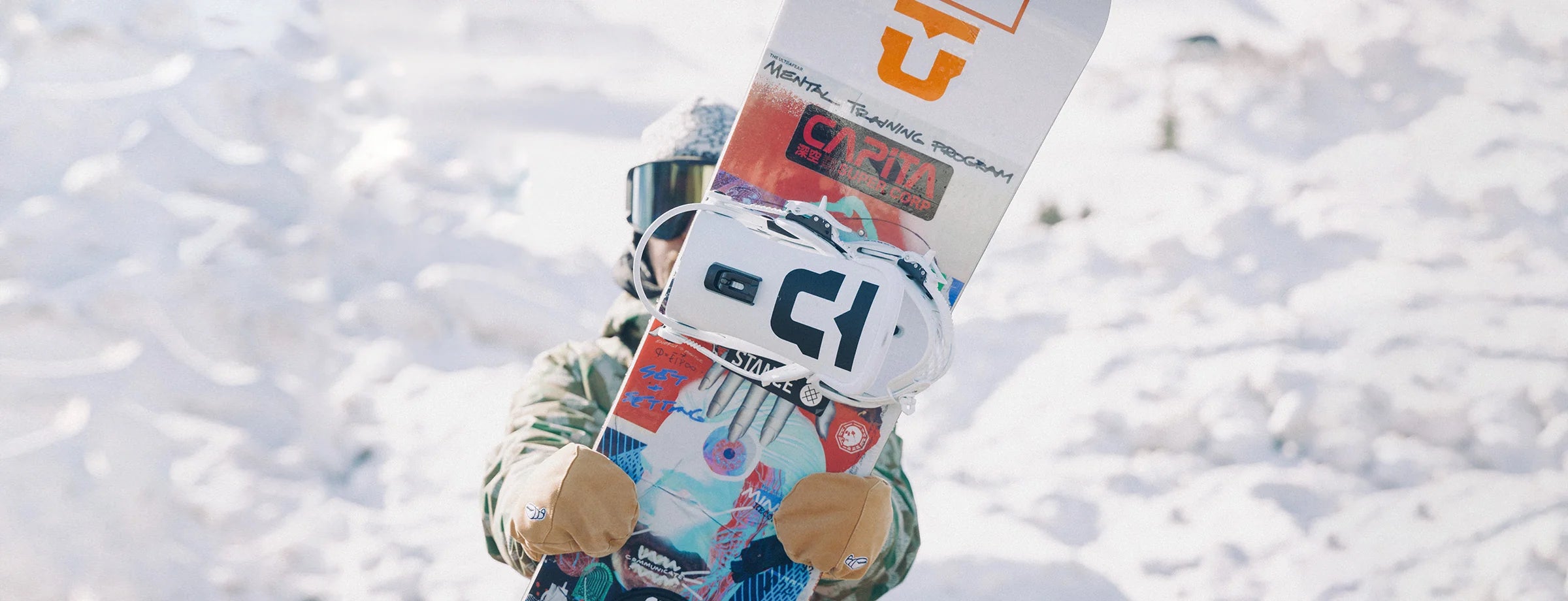


Winter doesn’t have to mean hanging up your board. For many of us in Ontario, embracing “Skateboarding in Winter” is all about adapting, layering up, and being resourceful. Whether you’re itching to keep skating despite frost on the ground or you’re curious how to ride safely and smartly in cold weather, this article has got you covered. We walk you through what works, what to avoid, and how to stay rolling all season.
If your looking to skate indoors check out our list of top 10 best skateparks in Toronto this winter.
Follow us on Instagram to find exclusive deals.
Switch Skate & Snow:
161 HARWOOD AVE N UNIT #6, AJAX, ONTARIO, L1Z0A1
Why Winter Changes the Game for Skateboarders

When the temperature drops and snow or ice shows up, skateboarding becomes a different beast. Winter weather affects skateboarding performance in many ways, and knowing these can help you skate smarter, not harder.
According to our findings on Skateboarding in Winter:
-
Reduced traction: Snow, ice, moisture, and cold concrete surfaces make wheels slippery — increased risk of slipping or losing balance.
-
Board and wheel strain: Cold can make skateboard wood more brittle and wheels harder — less shock absorption and rougher ride.
-
Body stiffness & reduced flexibility: Cold muscles and joints don’t perform like they do in warm weather — higher chance of injury.
-
Visibility and surface hazards: Early sunsets, snow, slush, puddles — all increase difficulty and risk.
In short: winter doesn’t just make skating colder, it changes the whole environment. But that doesn’t mean you have to stop. It means you have to adapt.
Gear & Prep: What You’ll Need to Start Skateboarding in Winter
When we talk about “winter skateboarding,” it’s not just about pushing harder. It’s about being prepared. Here are key things to consider:
-
Dress in layers: Thermal long johns, warm socks, gloves (windproof are best), hoodies and jackets — warmth and mobility matter.
-
Use a winter-dedicated board setup: Some skaters keep a “rainboard” or “winter board” with softer wheels and a wider deck, sometimes even switching up griptape or adding extra traction.
-
Warm-up before skating: Cold muscles and joints need care — stretch, do jumping jacks or gentle movement first to get blood flowing.
-
Protective gear & visibility: Gloves, knee/elbow pads; also avoid skating at dusk or when surfaces are wet, frozen, or icy.
-
Maintain your gear: After skating in damp or slushy conditions — dry the deck, wipe wheels, check bearings. Moisture can degrade wood and metal over time.
Think of it like preparing for a winter hike: you wouldn’t go in shorts and sneakers if it’s freezing and slippery. Same with skating — preparation matters.
Where to Ride When It’s Cold: Winter-Friendly Spots in Ontario
When snow hits the ground or salt trucks do their thing, street skating often becomes tricky. But there are plenty of good winter skating alternatives — many of which we use ourselves around Durham Region.
Here are the winter-friendly options:
Indoor Skateparks & Covered Spots
When the weather is unreliable — rain, snow, freezing temps — indoor skateparks are gold. Warm, dry, and built for skating, they let you keep shredding all season. It’s a go-to when winter hits hard.
Parking Garages & Urban Sheltered Areas
If you know your city well, parking garages (during off-hours) or bridges with concrete underpasses can work. They offer some cover against snow/ice, and often dry or less slippery surfaces. Just be mindful of security, lighting, and legal/ethical considerations.
At-Home Practice (Garage, Basement, Even Carpet)
Not all tricks need big ramps. Flat-ground work, balance drills, board control — these can all be done at home when it’s too cold outside. Some skaters even practice on carpets indoors.
Snowskate (Optional Winter Alternative)
If you’re itching for “board-on-snow” fun, a snowskate might be worth exploring. A snowskate blends skateboard-style riding with snow capabilities — designed for winter terrain.
If you live in Durham Region (like us in Ajax) or anywhere in GTA, it’s about being creative — and maybe hitting up indoor spots when the weather gets wild.
Tips & Tricks to Skate Safely and Smart in Winter
To make winter skating a real, sustainable option — and not just a risky fantasy — here are some tips we swear by:
-
Test surfaces first: Skip obvious ice, standing water, or slush. Look for clean, dry concrete or cleared areas.
-
Loosen your trucks slightly: Cold can stiffen bushings — a slightly looser setup helps control and prevents rigid, unpredictable turns.
-
Avoid heavy tricks early: Cold concrete + cold muscles = a recipe for painful falls. Focus on flat-ground tricks, balance, or gentle cruising until your body warms up.
-
Use a winter-only board if possible: It’s okay if it takes a beating — better than destroying your good board. Some skaters even keep a spare board solely for cold months.
-
Dry gear immediately after session: Water, slush, salt — these can damage your deck and bearings. Wipe down, dry thoroughly, and store in a dry place.
-
Stretch, warm up, and pay attention to your body: Cold weather means tight muscles — give yourself time to warm up, move, then skate. Prevents injury.
Winter might slow down the pace, but it doesn’t have to stop the ride.
Real Talk: Pros and Cons of Winter Skateboarding
Like anything worth doing, skateboarding in winter has its ups and downs. From what we’ve learned — and experienced — here’s the honest breakdown:
The Advantages
-
Improved endurance & discipline: Cold conditions force you to prepare more, warm up more — you become more disciplined.
-
Creative training: When you can’t hit the street or park, you adapt — indoor sessions, flat-ground practice, board control drills. It can make you a better skater overall.
-
Less congestion at skate spots: Fewer people skating outside means you’ve got more space — good if you’re working on tricks or board control.
-
Alternative snow-board vibe: If you try a snowskate, you get a winter-specific board experience that’s unique and fun.
The Downsides / Risks
-
Increased injury risk: Slippery surfaces, cold muscles, unpredictable traction — all raise the chances of falls or sprains.
-
More maintenance: Snow, salt, moisture — your gear needs care after every session or it degrades faster.
-
Shorter daylight & limited spots: With early sunsets and many outdoor spots covered in snow or salt, opportunities to skate are fewer.
-
Reduced performance: Harder wheels, stiff boards, bulky clothing — tricks may feel different, less sharp, more awkward.
What About Snowskate — Is That a Good Winter Alternative?
If you’ve ever wondered whether you can still get that “board beneath your feet” feeling when the streets are icy or snow-covered, you might want to look into a snowskate.
A snowskate is a hybrid between a skateboard and a snowboard. It’s designed to ride on snow — often bindingless — which lets you carve, slide, or even attempt skateboard-style tricks on snow if conditions permit.
It’s not quite the same as traditional skateboarding on concrete — the sensation and technique differ — but for winter conditions around Ajax, Durham, GTA, or any snowy area, it’s a valid and often fun alternative.
If you’re curious, this winter-ready option can help you stay active and connected to board culture even when streets are covered in slush or snow.
How We Approach Winter Riding in Durham Region (Our Perspective)
Here in the GTA and Durham Region — including Ajax — we know winters are a reality. So at our shop (and among our crew), we adopt a flexible, adaptive mindset.
-
We prioritize safety and smart gear over pushing big tricks in cold weather.
-
We maintain a winter setup — sometimes with a spare winter board or snowskate — so we don’t risk damaging our preferred boards.
-
We use indoor skate spots, garages, and parking garages when snow or ice covers outdoor surfaces.
-
We keep up maintenance religiously — dry decks, treat bearings, swap wheels if needed.
-
We stretch, warm up, and treat winter skating like any other physical activity — slow start, gradual ramp up.
We treat winter skating not as a downgrade, but as a different mode — like switching gears to match the season.
Final Thoughts
Winter doesn’t have to mean the end of your skate sessions. “Skateboarding in Winter” isn’t a myth — it’s about being smart, prepared, and adaptable. With the right gear, a winter-friendly setup, and a flexible mindset, you can keep rolling even when temperatures drop and snow hits the ground.
So from all of us in Durham Region, we say: don’t let the frost freeze your passion. Embrace winter skateboarding as a different kind of ride. Maybe slower, maybe more careful — but still worth it.
Frequently Asked Questions
Q: Can I skateboard on snow or ice with a regular skateboard?
A: Not safely. Regular skateboards weren’t built for snow or ice — wheels lose grip, surfaces become slippery, and wood or bearings can suffer damage. For snow-covered terrain, a snowskate is a far better and safer option.
Q: Do I need special clothing for winter skateboarding?
A: Yes — layering is key. Wear thermals, warm socks, windproof gloves, and a jacket or hoodie that lets you move. Warm clothes help you keep flexibility and protect against cold-induced stiffness and injuries.
Q: Are indoor skateparks worth it during winter?
A: Definitely. Indoor parks are among the best ways to continue skating safely during winter — dry surfaces, no ice, and good community energy. Great for practicing tricks without weather-related worries.
Q: Will skating in winter damage my skateboard?
A: It can — moisture, salt, and cold can stress wheels, bearings, and wood. But with care — drying the board after sessions, using a dedicated winter board, and regular maintenance — you can minimize damage.
Q: Is snowskate the same as snowboarding?
A: Not exactly. A snowskate is more like a skateboard designed for snow — often bindingless — offering a board-on-snow experience that’s closer to skateboarding than snowboarding.
Q: Should I try big tricks during winter sessions?
A: It’s better to be cautious. Cold surfaces, stiff boards and bikes, and slippery ground increase risk. Focus on balance, control, flat-ground tricks, or gentle cruising until conditions — and your body — are warmed up.