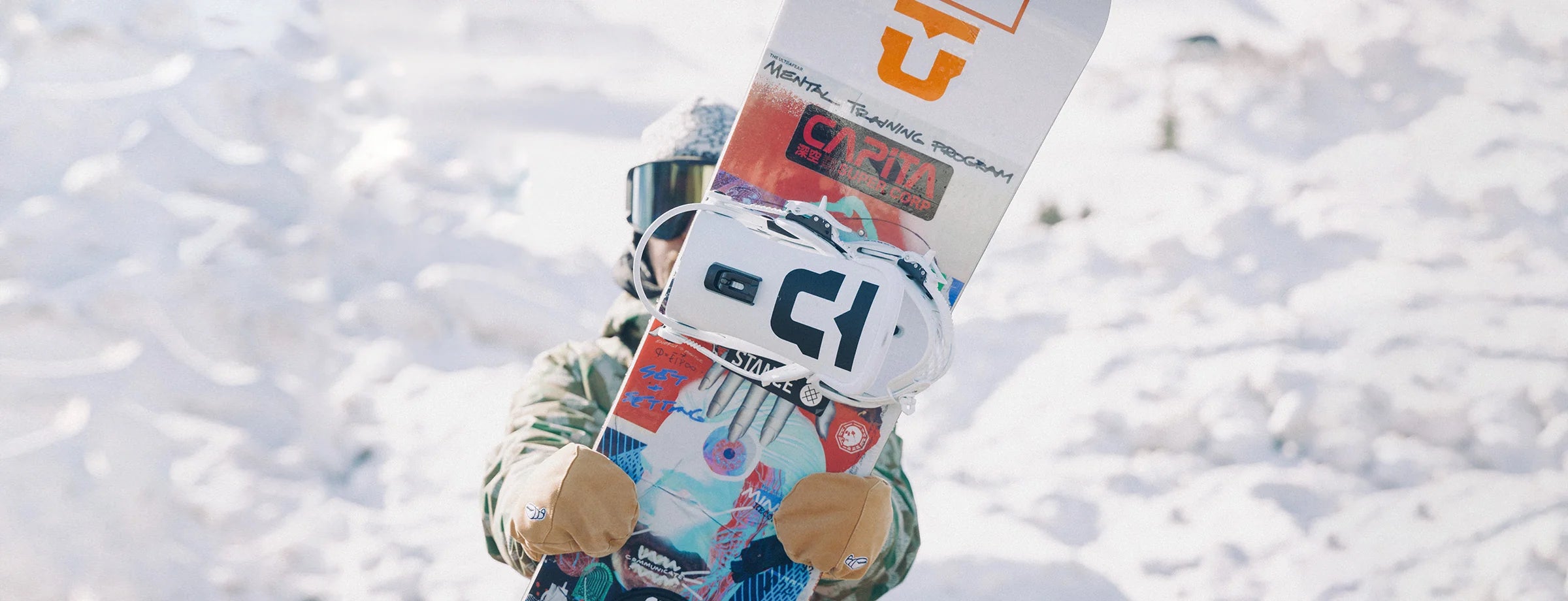


the experience you want on the mountain. That’s where the choice between an all mountain snowboard vs freestyle snowboard becomes real, and trust us, it can totally shape how you ride.
Whether you’re shredding the slopes in British Columbia or hitting terrain parks in Canada, the right board matters. And guess what? Picking the right one isn’t just for pros it’s about finding what fits your vibe.
So, if you’ve ever found yourself staring at snowboards and wondering, “Which one’s actually right for me?” you’re not alone. We’ve been there. And we’ve got you.
Follow us on Instagram to find exclusive snowboarding deals.
Switch Skate & Snow:
161 HARWOOD AVE N UNIT #6, AJAX, ONTARIO, L1Z0A1
What is an All Mountain Snowboard?

All mountain snowboards are the Swiss Army knife of the slopes. They’re made for riders like us who don’t want to be pinned to just one kind of terrain. Whether it’s groomers, powder, trees, or even a little park action, this type of board is designed to do it all—comfortably and confidently.
At Switch Skate and Snow, we often recommend all mountain boards to folks who are newer to the sport or those who want a one-board-quiver. These boards typically feature a directional or twin directional shape, meaning they perform best when going forward but can still ride switch decently. Flex tends to sit around medium, which gives you a balance of responsiveness and forgiveness.
Let’s break down the key benefits:
-
Versatility: Great for all types of terrain—mountains, park, backcountry.
-
Stability: Offers a smooth and controlled ride.
-
Balanced Flex: Not too soft, not too stiff—just right for most riders.
-
Directional Shape: Helps with control and carving, especially in deeper snow.
One of the most useful aspects? You don’t have to worry much about switching boards depending on the conditions. Especially around Ontario, where snow can be unpredictable, this is a huge win.
What is a Freestyle Snowboard?

Freestyle snowboards are for those of us who see the mountain as a playground. They’re specifically built for riders who love jibbing, hitting kickers, spinning off jumps, and showing off in terrain parks. If you’re the kind of snowboarder who prefers air over ground, this might just be your thing.
These boards typically feature a true twin shape, which means the board is symmetrical in every way—perfect for riding both regular and switch. The flex is softer, giving you more control during spins and grabs. And yes, they’re super fun to ride.
What makes freestyle boards shine?
-
Lightweight Construction: Easier to flip, twist, and spin.
-
Soft Flex: Gives you more playfulness and control for tricks.
-
Twin Shape: Ideal for park riding and landing switch.
-
Pop-Enhancing Camber: Offers explosive takeoff when you need it.
From our side in Ajax, many younger riders or park-focused folks lean towards freestyle boards when visiting Switch Skate and Snow. It just makes sense for those looking to step up their game at terrain parks like the ones in Blue Mountain or Horseshoe Resort.
Take a look at what Burton has to say about freeride vs all mountain vs freestyle—they break it down cleanly.
All Mountain Snowboard vs Freestyle Snowboard: Core Differences
We’ve ridden both, and the difference between these two board types is like comparing a pickup truck to a sports car—both awesome, but for very different reasons.
Let’s dive into what really separates the two:
Shape and Flex
-
All Mountain: Often directional, with a medium flex that suits all conditions.
-
Freestyle: True twin with softer flex for better trick control.
Camber Profiles
-
All Mountain: Typically uses hybrid camber for both edge hold and float.
-
Freestyle: More likely to feature flat or rocker profiles for a looser feel.
Edge Control and Stability
-
All Mountain: Great edge control for carving and speed.
-
Freestyle: Looser edge for forgiving landings and creativity in tricks.
So, what’s the takeaway? If you’re into control, carving, and variety—go all mountain. If it’s all about spins, jumps, and rails—freestyle is your friend.
Board Construction: What Sets Them Apart
It’s not just what the board looks like—it’s what it’s made of that counts.
-
All Mountain Boards: Typically feature stiffer cores (sometimes with carbon) for power and edge hold.
-
Freestyle Boards: Use lighter wood cores and softer laminates to stay nimble and flexible.
We’ve seen firsthand how these subtle construction tweaks impact performance. One of our Switch team riders even described the difference like this: “Riding a freestyle board on a steep line felt like driving a go-kart on a highway. Fun but sketchy.” Makes sense, right?
Who Should Choose an All Mountain Snowboard?
We usually recommend all mountain boards for:
-
Beginner to Intermediate Riders
-
Anyone who rides in various conditions
-
People who don’t want multiple boards
-
Local Ontario riders who hit resorts like Blue Mountain, Glen Eden, or Dagmar
It’s the safest and most practical choice for many. Especially around Durham Region where terrain can vary and change weekly, having one board that does it all is a blessing.
Who Should Ride a Freestyle Snowboard?
Now, if your heart races when you see a rail setup or a halfpipe, freestyle is your home.
Perfect for:
-
Park rats and trick lovers
-
Riders focused on switch, jumps, and spins
-
Lightweight, nimble board fans
-
Frequenters of terrain parks in Ontario resorts
It’s a board built for creativity. And if you’re the type to ride with a GoPro strapped on and a trick list in mind—this is your gear.
Switching Boards: Can You Use One for Both Styles?
Technically, yes. But practically? Not ideal.
Some all mountain boards are versatile enough to hit the park, but a freestyle board on a powder day? Not so much.
We usually advise getting one that suits 80% of what you ride. Still undecided? Come visit us at Switch Skate and Snow in Ajax—we'll help you test out what fits you best.
Snowboarding in Ontario: What’s Best for Local Terrain?
Ontario’s hills aren’t the Rockies—but they’re still packed with fun. From Lakeridge to Mount St. Louis, you’ve got groomers, trees, and terrain parks.
-
All Mountain Boards dominate here due to terrain versatility.
-
Freestyle Boards still make sense at park-heavy spots like Horseshoe Resort.
Weight and Size: How They Affect Your Ride
Let’s talk size—not every snowboard fits every rider. And when comparing all mountain snowboard vs freestyle snowboard, size and weight play a huge role in performance.
All Mountain Boards
-
Generally longer than freestyle boards
-
Designed to offer better edge grip and stability at higher speeds
-
Slightly wider noses help with float in powder
-
Best suited for riders who want to go fast, carve hard, and handle varied conditions
Freestyle Boards
-
Tend to be shorter for easier control and rotation during jumps
-
Lighter in weight, so tricks and spins don’t require Herculean effort
-
More maneuverable and responsive, especially in park setups
We always help our customers at Switch Skate and Snow size their boards properly. Height, weight, riding style—it all matters. If you're unsure, pop by our shop in Ajax or shoot us a message through switchnow.ca. We’ve got your back (and your stance!).
Durability Comparison
Durability might not be the most exciting feature—but it’s definitely one of the most important, especially here in Ontario where freeze-thaw cycles can wear gear fast.
-
All Mountain Snowboards are built tougher. They’re made to take on varying snow conditions, trees, ice, and more. Their edges and bases are reinforced for longevity.
-
Freestyle Snowboards, being lighter and softer, tend to wear faster—especially in high-impact terrain parks. Chips, cracks, and delamination can happen more frequently if you’re hitting rails and ledges daily.
So if you’re planning to ride often or want a board that’ll last multiple seasons, consider this when choosing between all mountain snowboard vs freestyle snowboard.
Bindings and Boots: Do They Differ?
You might be wondering, “Do I need different boots or bindings depending on my board?” Great question.
Freestyle Setup
-
Softer boots for more ankle movement
-
Flexible bindings to allow tweaks and tricks
All Mountain Setup
-
Stiffer boots for more response and control
-
Mid-stiff bindings that support both park and mountain riding
That said, most gear today is pretty cross-compatible. You don’t always need a different setup—but matching your gear to your board style does take your ride to the next level.
Maintenance Tips for Both Types of Boards
No matter what type of board you ride, maintenance is key to keeping it in top shape.
Here’s what we always recommend:
-
Wax your board every 3–5 rides, especially in Ontario’s changing temps
-
Edge sharpening helps all mountain riders carve better
-
Freestyle riders should check edges for burrs and cracks from rails
-
Store it properly (cool, dry place) to prevent warping or delamination
At Switch Skate and Snow, we offer professional snowboard tuning and maintenance, right here in Durham Region. We’ll even help guide you on DIY care for your board between services.
Popular Models to Check Out (Based on Top Brands)
Looking for a good starting point? Here are a few models we often recommend:
Top All Mountain Boards
-
Burton Custom – The classic go-anywhere board with pop and power.
-
Ride Warpig – Compact and floaty, it’s built for performance.
-
Jones Mountain Twin – Directional twin with amazing edge hold.
Top Freestyle Boards
-
Burton Process – Lightweight and poppy, a favorite in the parks.
-
Capita DOA (Defenders of Awesome) – True twin shape and perfect flex.
-
GNU Head Space – As creative as it gets, built for freestyle expression.
These models are often available at Switch Skate and Snow, and we’re happy to let you know what we have in stock, or help find the right fit for your riding style.
How We Help at Switch Skate and Snow (Durham Region Based)
Here at Switch Skate and Snow in Ajax, we’re not just another gear shop—we’re riders, too. We live and breathe this stuff. That’s why we take the time to understand your needs, your riding style, and where you ride most (shoutout to all the Ontario slopes!).
Why riders across Durham Region and the Greater Toronto Area choose us:
-
Personalized guidance for snowboard gear
-
Top-quality snowboarding and skateboarding brands
-
Local expertise in Ontario snow conditions
-
Honest service—no pushy sales tactics, just real advice
Whether you’re just starting out or levelling up your skills, we’ve got the boards, gear, and guidance to get you there.
Conclusion
So, where do we land in the all mountain snowboard vs freestyle snowboard debate?
Here’s the real talk: there’s no wrong choice—only the right one for you. If you’re riding every inch of the hill, go all mountain. If the terrain park is your second home, freestyle’s calling. Both have their place, and both bring something special to your ride.
The key? Know your style. Know your terrain. And always choose the board that supports how you want to ride.
Our team is made up of passionate riders with decades of combined experience. Based in Ajax, Ontario, we serve all of Durham Region and beyond, offering personalized service and expert insight into snowboard gear that fits your local terrain and skill level. We’re here to elevate your ride, whether you're carving the slopes or cruising the streets.
From our team at Switch Skate and Snow, we’re here to help you find that perfect board and make every run your best one yet.
FAQs
1. Can I use a freestyle board for all mountain riding?
Technically, yes. But freestyle boards are better suited to park features. You’ll likely struggle with edge hold and stability on steeper or varied terrain.
2. Are all mountain boards good for beginners?
Absolutely. Their versatility and stability make them ideal for new riders learning the ropes across multiple types of terrain.
3. What’s the difference between a twin and directional shape?
A twin board is symmetrical and ideal for switch riding, while directional boards are meant to go one way—better for carving and all mountain performance.
4. Which board is better for Ontario snow conditions?
All mountain boards often perform better due to their adaptability to Ontario’s mix of icy patches, groomers, and slushy snow days.
5. How often should I wax my snowboard?
Every 3–5 rides, especially if you’re riding frequently in changing temperatures. Proper waxing keeps your board fast and prevents base damage.